
The process of providing telecommunication equipment consists of several main stages, generally including planning, equipment selection, procurement, testing, and ultimately deploying the equipment.
Planning:
This stage involves determining the needs of the network or communication system. Communication requirements, coverage, bandwidth, security features, and compatible systems are reviewed.
Equipment Selection:
Based on the requirements, the equipment offering the best performance and compatibility with existing conditions is chosen. This includes network equipment (such as routers, switches), wireless equipment (such as antennas, modems), wired equipment (such as phones, DSL modems), and other required communication devices.
Procurement of Equipment:
In this stage, the equipment is acquired from reputable manufacturers or distributors. It’s essential to ensure the quality of the equipment and compliance with relevant standards.
Testing and Evaluation:
Before deployment, the equipment needs to be tested. These tests may include performance testing, security validation, and compliance checks against specified standards.
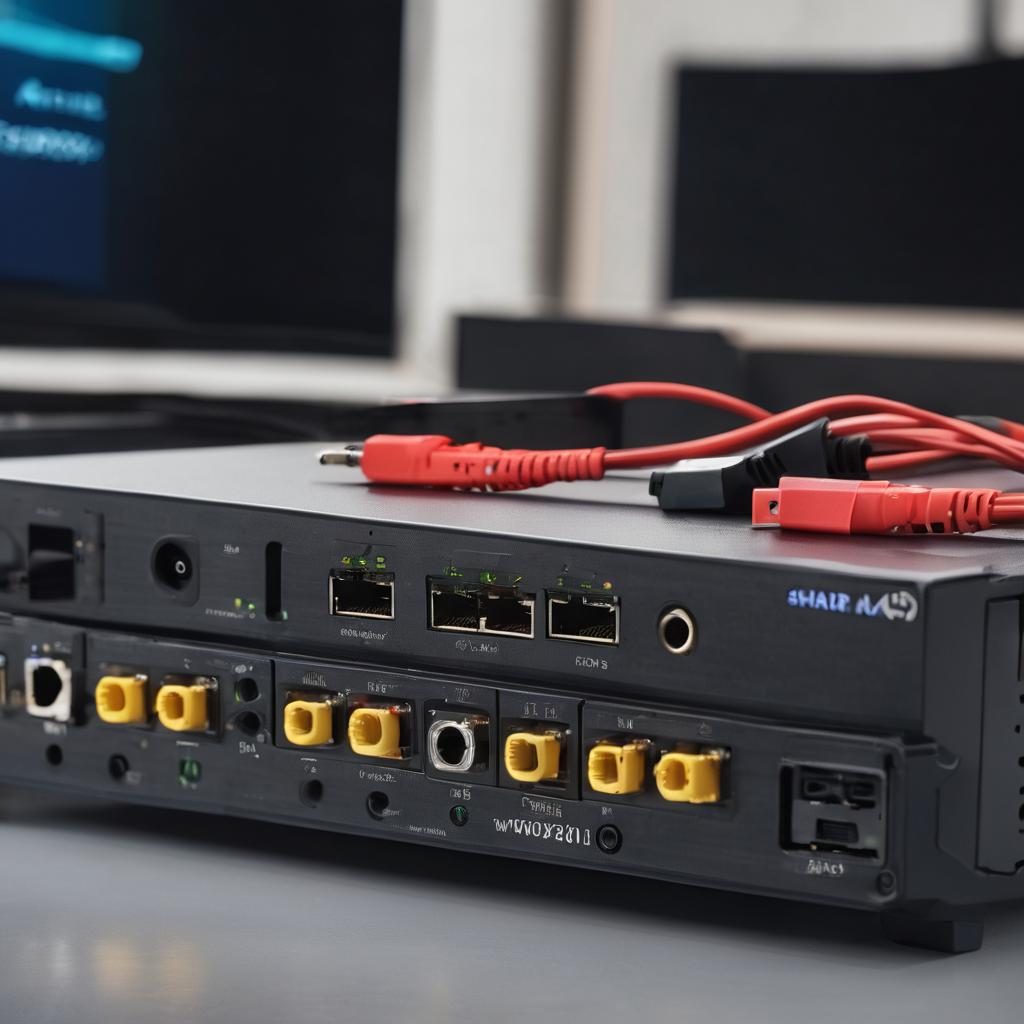
Testing and Evaluation:
Before deployment, the equipment needs to be tested. These tests may include performance testing, security validation, and compliance checks against specified standards.
Deployment of Equipment:
The final equipment is installed and configured on-site. This involves hardware installation, software configurations, final testing, and system launch.
An example could be in the telecommunications equipment supply process for a mobile network operator: Initially, the operator plans how to expand the 5G network. Then, considering the needs and relevant standards, suitable equipment (such as antennas, radios, routers, and mobile internet-related equipment) is chosen. After purchasing the equipment, they are tested to ensure they perform as expected. Finally, the equipment is installed, necessary configurations are applied, and the network is ready for operation.
In the telecommunications domain, equipment suppliers typically offer products and devices used for wireless communications, communication networks, data transmission, and related telecommunications infrastructure. These equipment categories include:
- Wireless Network Equipment: This comprises modems, routers, antennas, and other devices utilized to establish wireless communication networks. These networks may cater to mobile communications, wireless connectivity, and other communication needs.
- Communication Equipment: Encompassing items such as switches, routers, data transmission equipment, fiber optic gear, and other necessary tools for information transfer within communication networks.
- Cellular Communication Equipment: Covering items related to mobile phones, antennas, cellular sites, and equipment used for the development and enhancement of cellular communication networks.
- Data Transmission Equipment: Including devices required for the transmission and transfer of network data, such as modems, routers, switches, and related infrastructure.
Each of these equipment types plays a crucial role in telecommunications, and equipment suppliers’ source from various well-known manufacturers and brands within this industry.
Teleformation has had extensive involvement in this field, successfully providing operators with equipment such as:
⦁ BTS antennas in models including Penta band, Octa band, and hybrid variants.
⦁ Supplying RRU (Remote Radio Unit) and BBU (Baseband Unit) equipment along with their installation and setup accessories.
⦁ Microwave links in various bands and models.
⦁ Mobile signal repeaters, both indoor and outdoor, with different power capacities, enhancing signal strength.